For thousands of Melbourne parents, the moment their baby takes its first breath is one of overwhelming relief and joy.
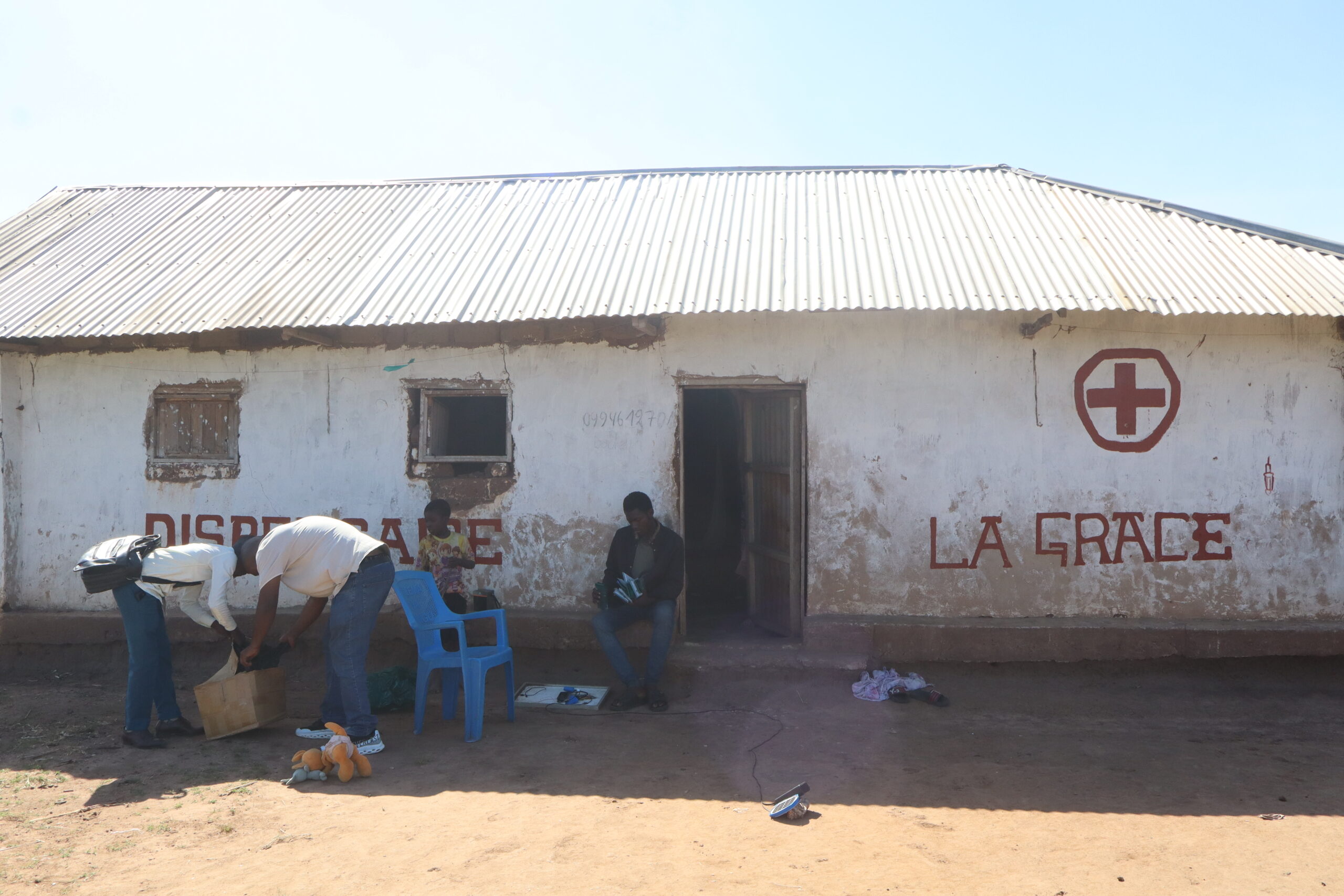
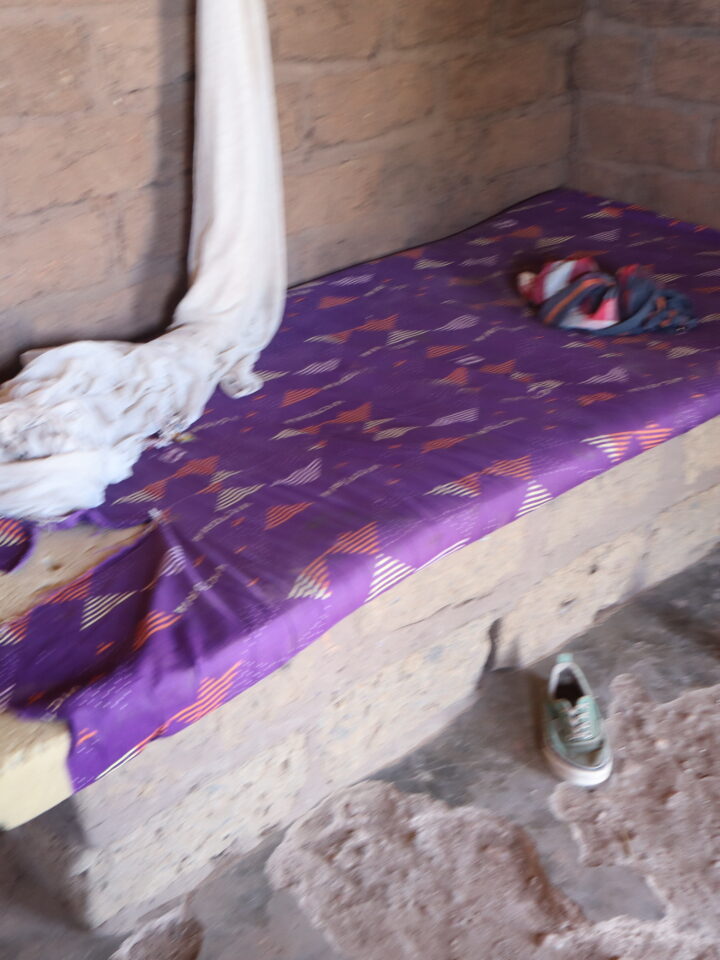
But with every safe arrival, the esteemed obstetrician, gynaecologist and women’s health expert finds himself thinking about another birth – one unfolding thousands of kilometres away, without running water, gloves or even a clean blade to cut the umbilical cord.
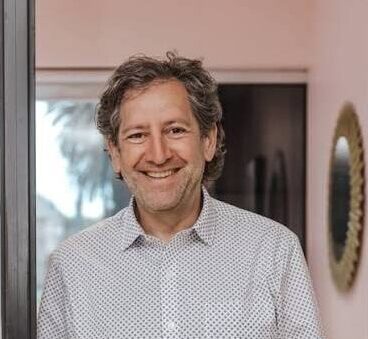
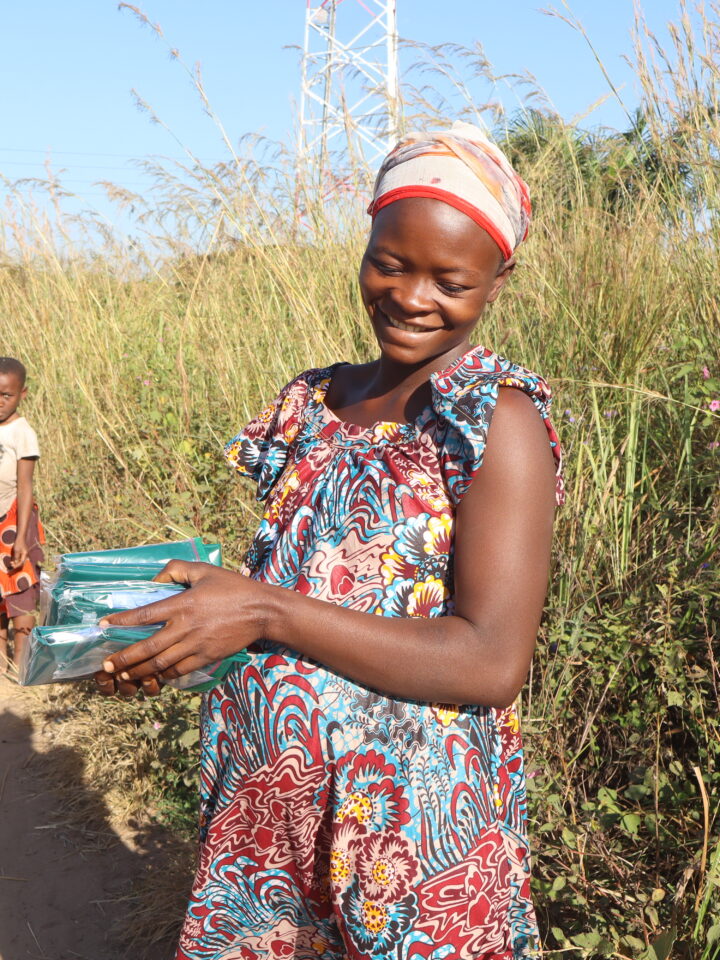
It’s why, for every baby he delivers, Dr Saffer donates to the Birthing Kit Foundation Australia. One birth at a time, those contributions have grown to almost $6,000, helping fund around 1,200 Clean Birth Kits for mothers he will never meet.
“Everyone thinks that pregnancy and childbirth always go well, and for the most part, they do,” Dr Saffer says.
“But what they don’t realise is that obstetrics isn’t always safe; it’s medical advances that have made it safe.”
Most of the time, Dr Saffer says, childbirth progresses without complication. But even a low-risk pregnancy can sometimes change “on the turn of a dime”, making access to appropriate medical care critical.
In Australia, the systems, equipment and expertise needed to respond are usually close at hand. In communities with limited access to healthcare, any complication can carry far greater consequences.
Born and trained in South Africa, Dr Saffer completed his internship at Chris Hani Baragwanath Hospital, a major public hospital serving Soweto during the final years of apartheid.
“There was first-world and developing-world medicine alongside each other,” he recalls. “There were communities with far fewer resources, fewer facilities and much less access to care.”
Those early experiences stayed with him as his career took him into private practice and medical education in Melbourne.
Today, he oversees the women’s health program at the Epworth Clinical School, under the auspices of the University of Melbourne.
“I work with people who have access to the best of everything,” he says.
“I wanted to do something, even something small, for women who have little or no access to healthcare and who may be giving birth in very difficult places with very difficult outcomes.”
In Australia, the safeguards surrounding childbirth are so familiar that we barely notice them.
“We have a baby and we don’t think, ‘I’m so lucky I survived,'” he says.
“But there are women who give birth and are grateful that they are healthy, and grateful that their baby is healthy, because they have to think that way.”
It’s this disparity that sits behind his longstanding support of BKFA.
More than 100 times a year, Dr Saffer helps guide a mother through pregnancy, labour and delivery. And with each safe arrival, he tells his patients that their baby’s birth has also helped another mother experience a cleaner and safer birth through the donation of a Clean Birth Kit.
“Here, sterile equipment would not even cross our minds. We simply expect it to be there.
“But in other parts of the world, something as basic as a Clean Birth Kit can save a life.”
For Dr Saffer, each donation is a reminder that while childbirth is universal, a safe birth isn’t.