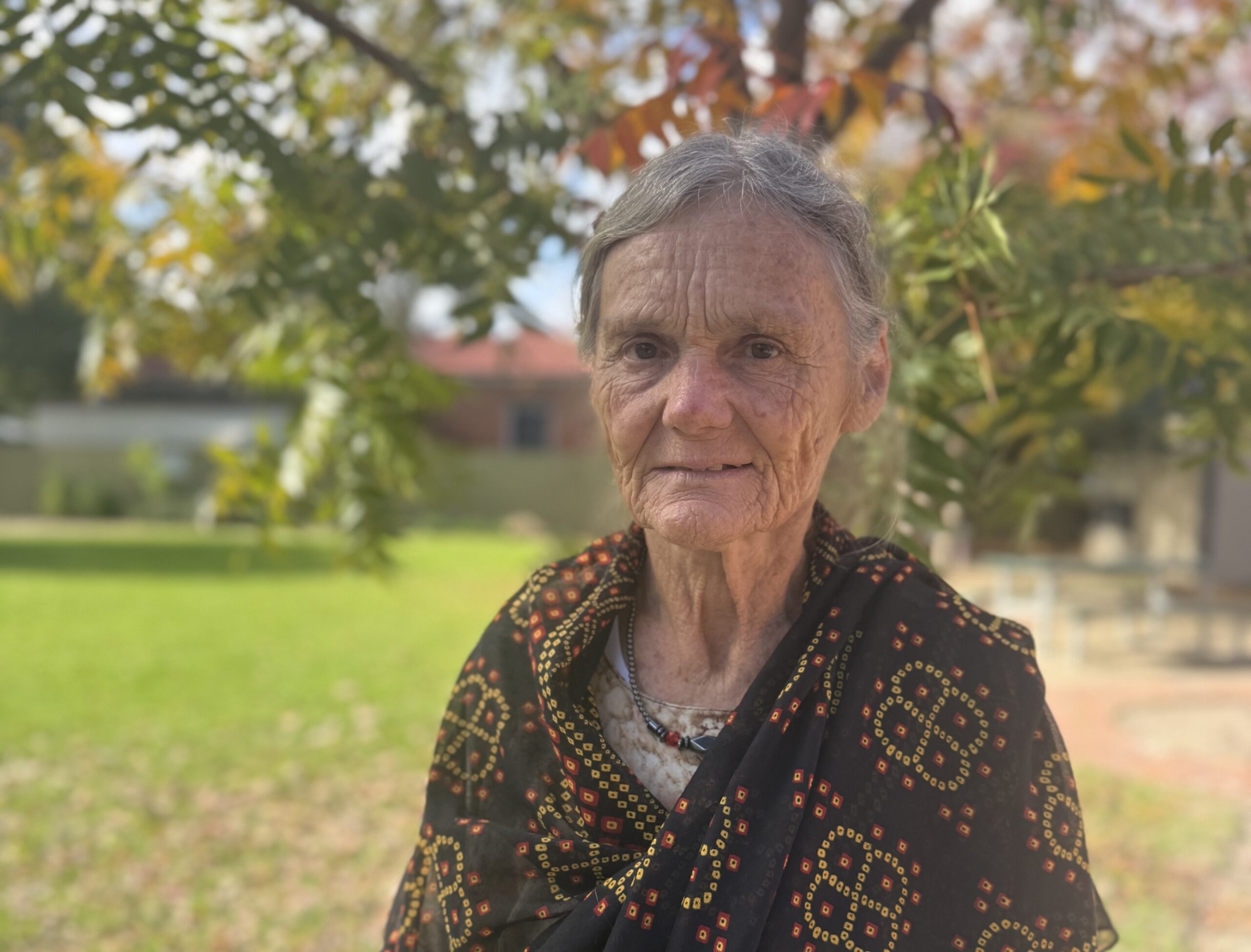
For more than three decades, Valerie Browning AM has called one of the hottest, driest and most remote places on earth home.
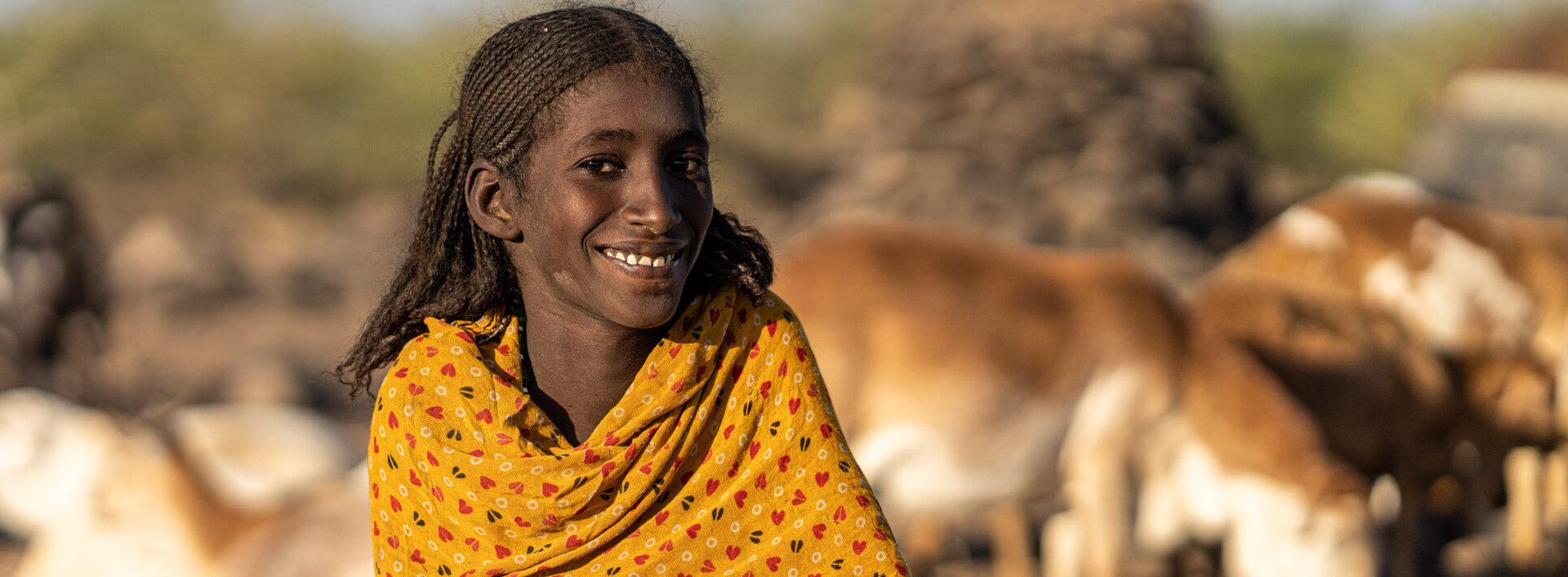
A world away from her Armidale upbringing, the founder of the Afar Pastoralist Development Association (APDA) has spent the past 30 years walking alongside the Afar nomads of northeast Ethiopia – a vast, unforgiving landscape where temperatures soar, roads are scarce and families survive by moving with their livestock in search of water and pasture.
“We live day to day in a fragile life – a very fragile life,” Valerie, who’s travelled from Afar to meet with the Birthing Kit Foundation Australia, says.
Home to an estimated 3.2 million people, Afar is one of the most isolated regions in the world, with many communities living beyond the reach of roads, healthcare, education and basic services.
“Sixty-five per cent of the land can’t be reached by road and that’s where we work,” Valerie says.
“We work where the government doesn’t. We work where there’s no health facility, no education, mostly no phone network and certainly never, ever electricity.”
When Valerie first arrived in the region, access to maternal healthcare – like almost everything else – was virtually non-existent.
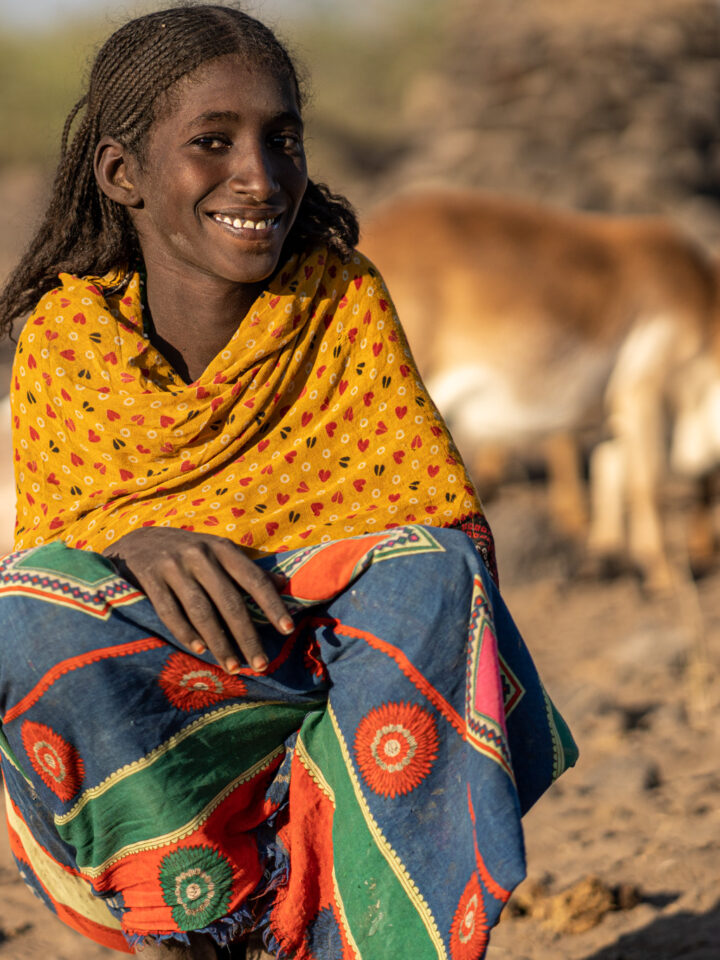
For generations, women in Afar have given birth in dome-shaped houses made from woven mats and timber frames that can be dismantled, loaded onto camels and carried to a new location whenever conditions demand it.
Traditional birth attendants were often the only support available to labouring women. Complications were accepted as fate and maternal deaths were common.
“If the mother died, they’d just say, ‘Oh well, God took her’,” Valerie recalls.
“It was a monster in front of me.”
Many women had also undergone female genital mutilation (FGM), further increasing the risks associated with childbirth.
For Valerie, improving maternal health quickly became inseparable from the broader fight for women’s rights, literacy and education.
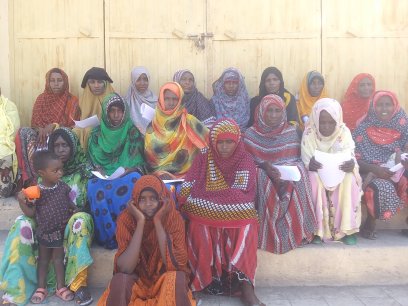
Today, APDA supports hundreds of women extension workers (pictured) who walk from house to house, providing health education, supporting pregnant women, monitoring vulnerable families and advocating for women’s rights.
They are trusted confidants, counsellors and champions chosen by their own communities because they understand the realities of life in Afar.
“One woman extension worker was married at 14 and underwent FGM as a child,” Valerie says.
“She’s seen her mother suffer; she’s seen her aunty suffer.
“She wants change. She is very powerful.”
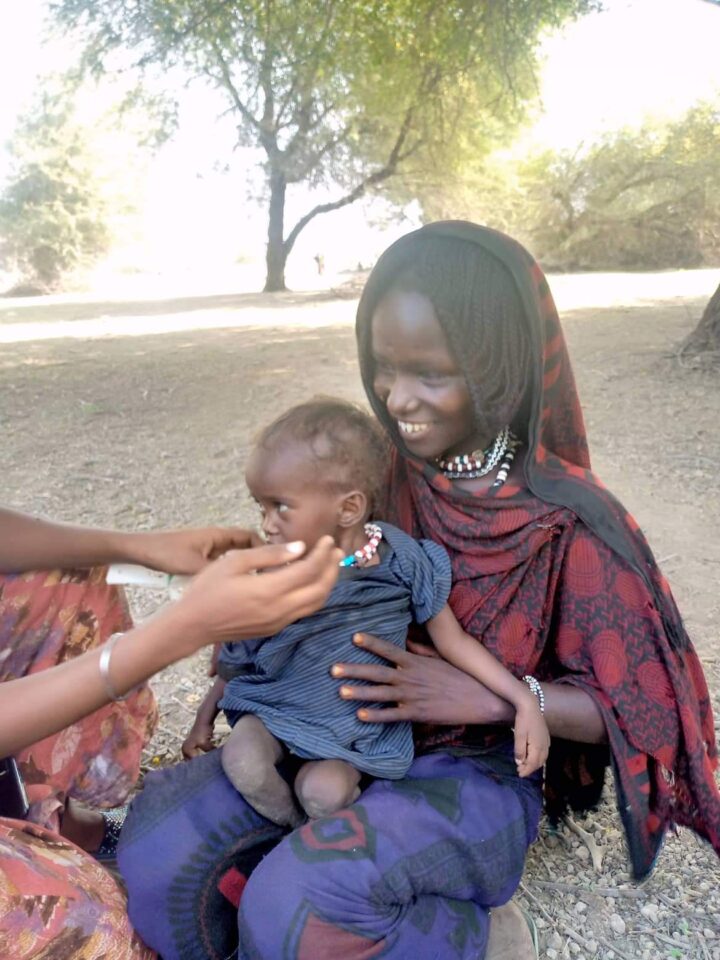
Since partnering with the Birthing Kit Foundation Australia in 2009, APDA has trained traditional birth attendants, supported women extension workers and improved maternal health services across some of the region’s most remote communities.
What began with the distribution of Clean Birth Kits has evolved into a broader program encompassing maternal health, literacy, education and community empowerment.
APDA now produces around 15,000 Clean Birth Kits each year through funding support from partner organisations, including BKFA. Thanks to BKFA funding this year, APDA aims to support more than 1,000 pregnant women and reach around 6,500 households with maternal health education and support.
When Valerie first began working in Afar, maternal mortality rates were among the highest in the world.
“Without our program we would still be there,” she says.
The same community-led approach has also helped challenge long-held traditions around FGM.
In some areas, Valerie estimates that 90 to 95 per cent of the practice has stopped, supported by clan elders, religious leaders and local women.
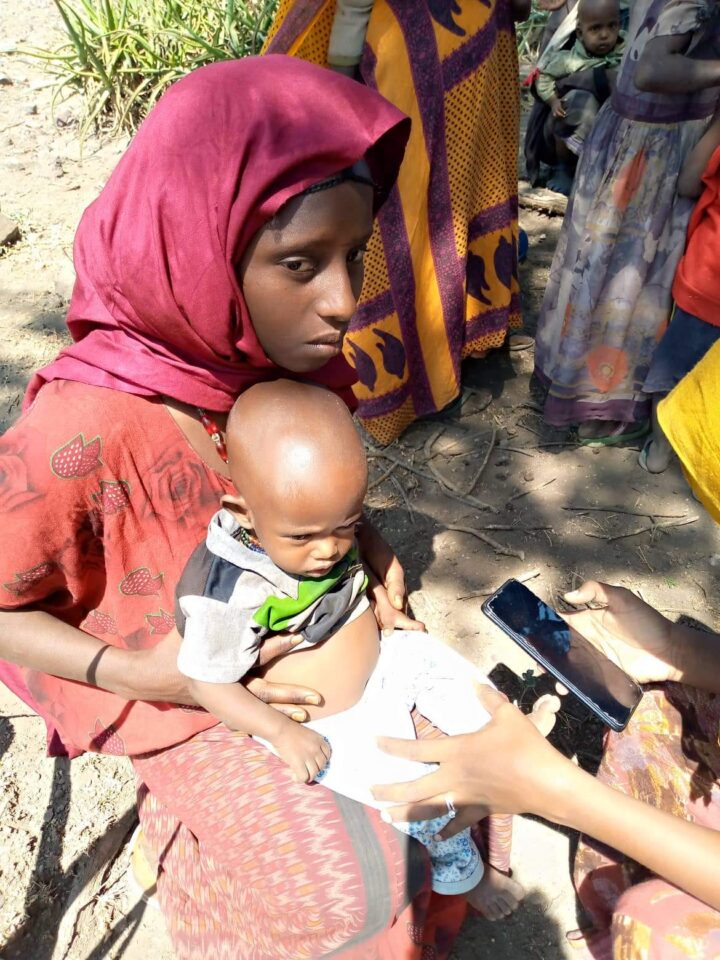
Despite significant progress, challenges remain.
Severe drought, earthquakes and growing hardship have left many communities increasingly vulnerable, with families facing rising poverty, malnutrition and displacement.
And women continue to die during childbirth. In 2025, APDA recorded 17 maternal deaths across the communities where it works.
“Still we have women suffering, still we have women dying.”
Yet Valerie remains focused on the future.
For the woman known as the “Afar Angel”, success will not be measured by the number of projects completed. For Valerie, it’s much simpler than that.
“We’ve done lots of projects, but the program doesn’t stop.
“The program will stop when it is safe for a mother to have a baby in a mobile house with proper access to healthcare, and the community supports it.”