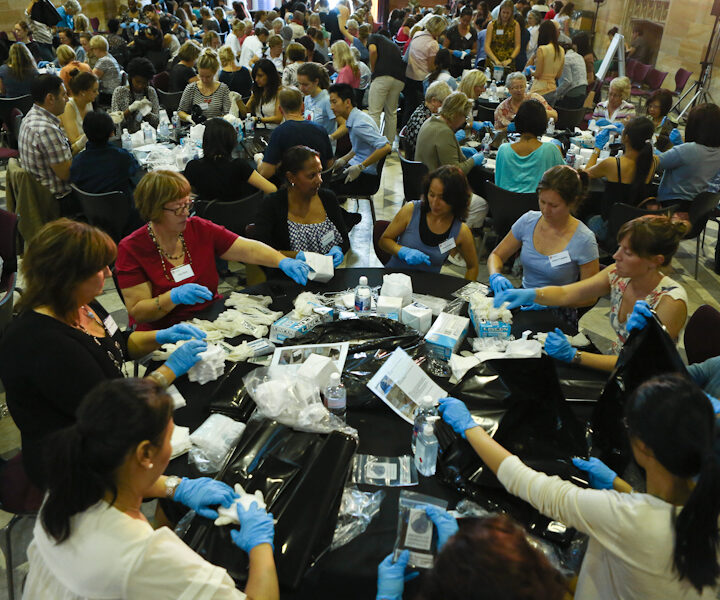
Medical students from across the country will come together this September to pack 2,400 kits containing life-saving supplies for women giving birth in some of the world’s toughest conditions.
More than 400 medical students and volunteers will take part in six nationally coordinated events supporting the Birthing Kit Foundation Australia – a South Australian-based global humanitarian organisation working to improve maternal and newborn health in low-resource areas of the developing world.
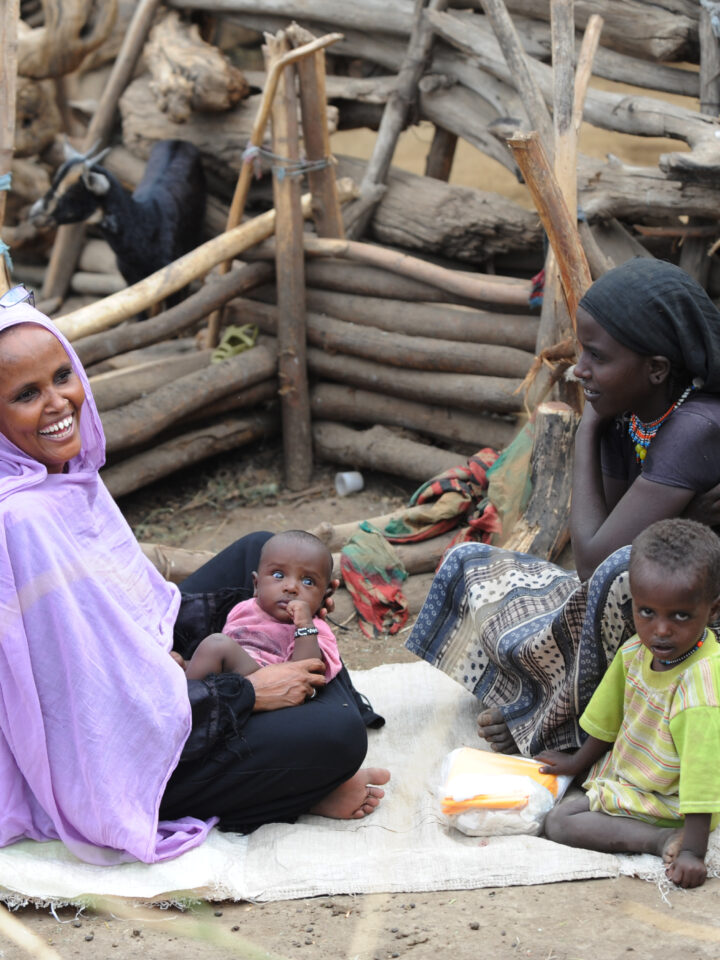
The World Health Organisation estimates that more than 700 women died each day from preventable causes related to pregnancy and childbirth in 2023, with around 87 per cent of maternal deaths occurring in sub-Saharan Africa and southern Asia.
Led by the Australian Medical Students’ Association’s (AMSA) Sexual and Reproductive Health portfolio, Assembly Days will be held at Adelaide University, Griffith University, the University of Queensland, Curtin Medical School in Western Australia, Westmead Innovation Centre in New South Wales and the University of Melbourne throughout September, coinciding with Sexual Health Month.
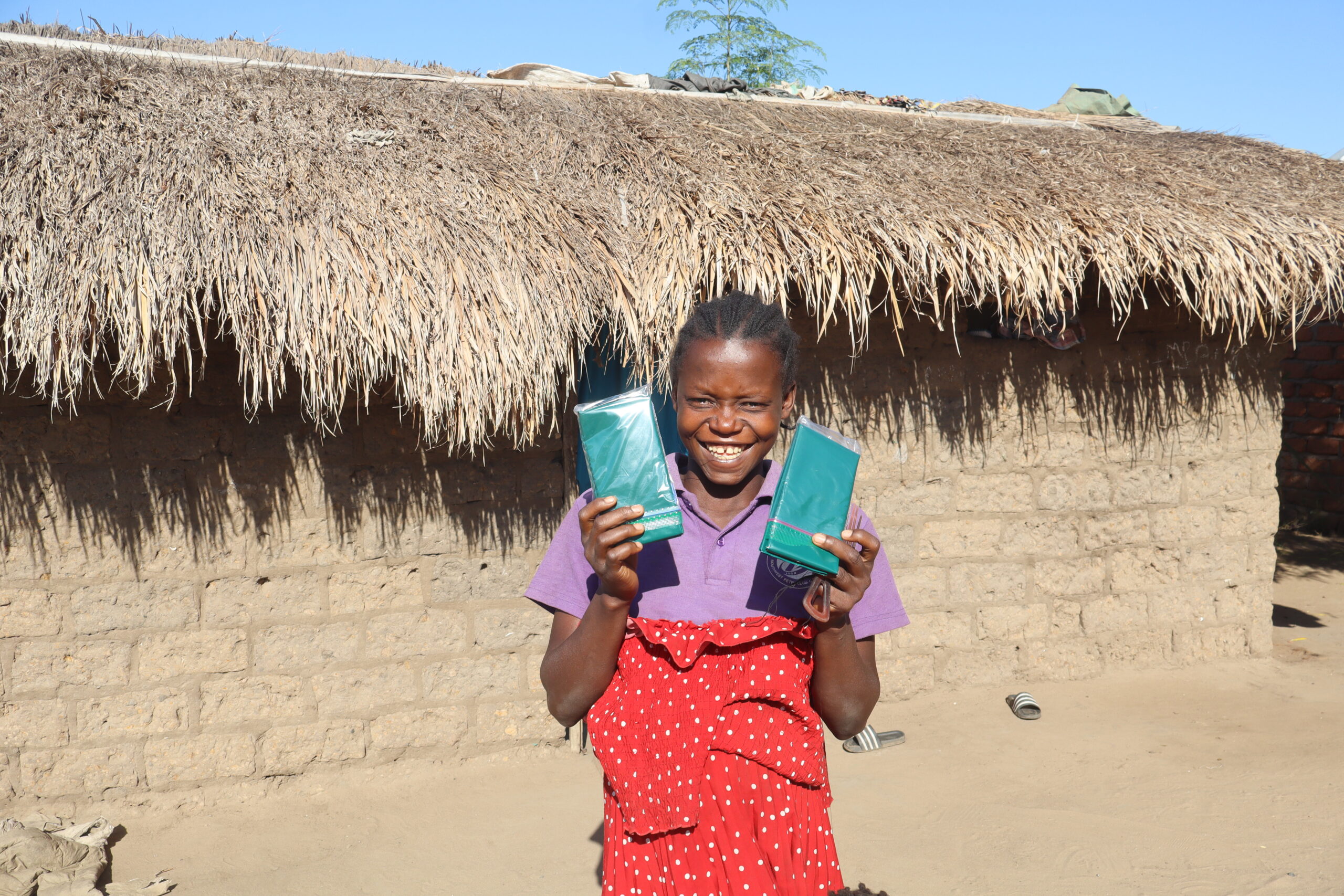
Bringing together 20 university societies, AMSA has raised $14,000 to fund the birthing kits. Each kit contains six basic items – a plastic sheet, gloves, gauze, a sterile scalpel blade, soap and cord ties – which help women give birth in a cleaner environment when access to conventional healthcare and basic supplies may be limited.
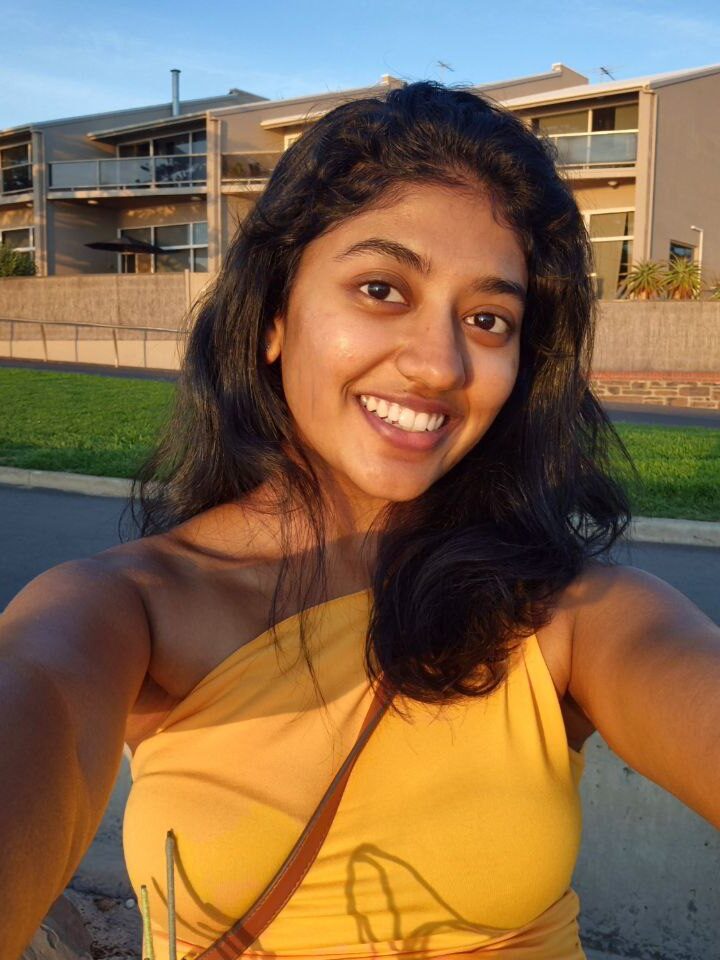
AMSA Sexual and Reproductive Health National Coordinator Veanna Ranka (pictured below), who is organising the Assembly Days, says the events are also an opportunity to build medical students’ knowledge of maternal and newborn health.
Across the six events, students will hear from obstetricians, gynaecologists, midwives, pelvic-floor therapists, postpartum psychiatrists and health professionals with experience working in communities with limited access to healthcare.
Veanna hopes students leave with a deeper understanding of the conditions in which millions of women around the world give birth – and the profound difference a cleaner birthing environment can make.
“Assembly Days are a learning opportunity, a networking opportunity and a space for passionate people to come together, learn and share,” Veanna says.
“I hope students come to understand how important maternal and newborn health is – not only during the immediate moments around birth, but how the birthing environment and conditions can change someone’s life.
“Most of all, I hope they are inspired to continue this work.”
The initiative is also deeply personal for Veanna, who hopes to become an obstetrician-gynaecologist.
“I have seen firsthand how it feels when women’s health is neglected,” she says.
“This is not just my story; it is also the story of millions of women across the globe. I am trying to address one gap as a medical student, and I hope I am inspiring the next generation of students to find their passion, take action and make a difference.
“Leaving a legacy and inspiring others is my main goal.”