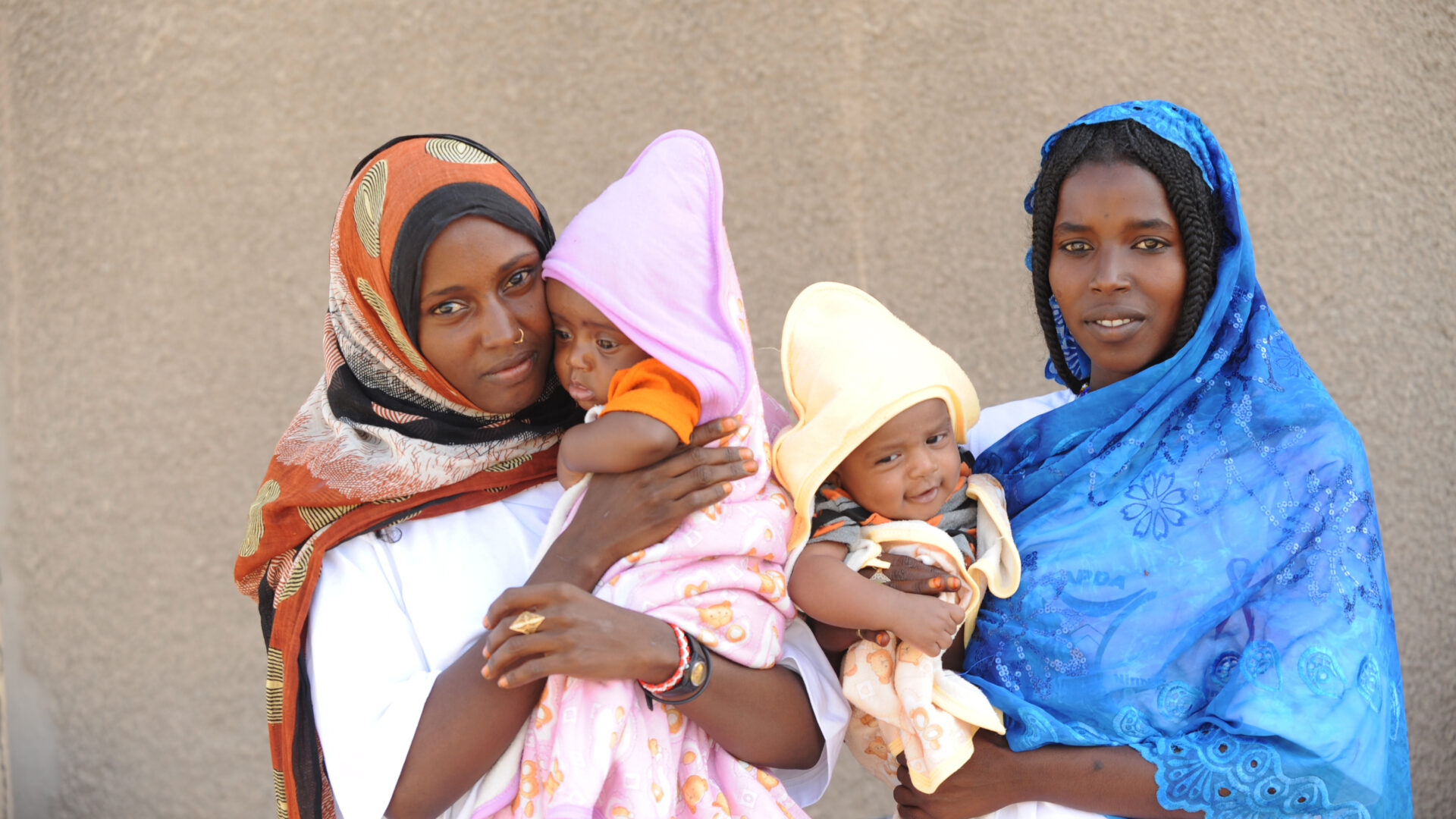
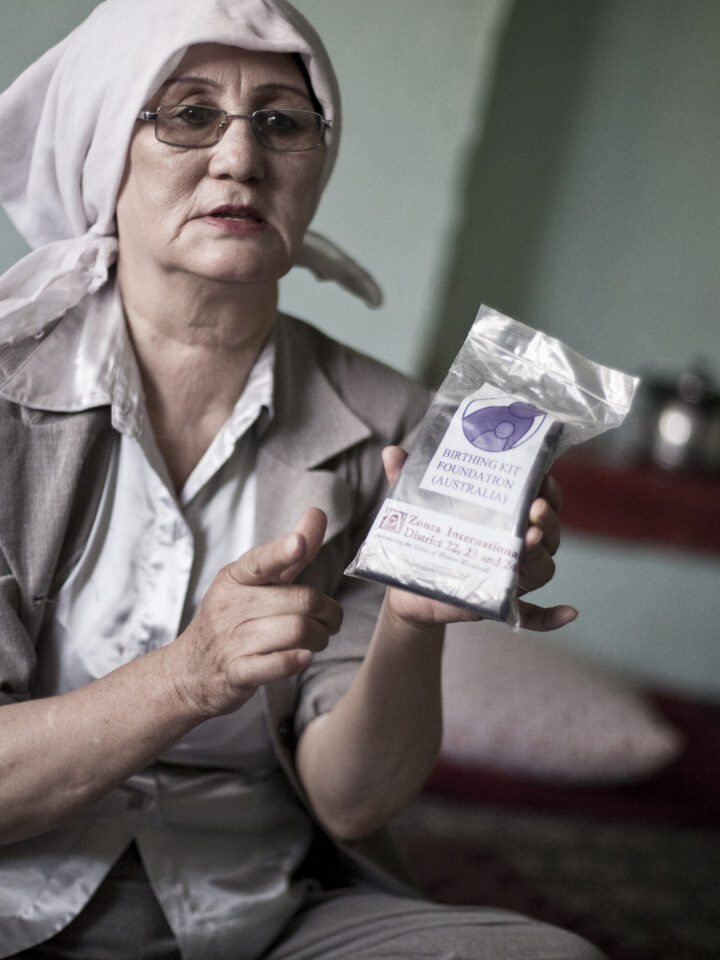
In moments like those, the contents of a small zip-lock bag containing six basic medical supplies – a plastic sheet, soap, gloves, gauze, cord ties and a blade – can mean the difference between life and death for both mother and baby.
That’s why the Birthing Kit Foundation Australia exists: because the reality is that up to 300,000 women and newborns still die each year from preventable complications during childbirth.
A birthing kit may be small enough to fit in the palm of a hand, but getting it from a volunteer table in Australia to a woman labouring in a remote village in Papua New Guinea, Afghanistan or Ethiopia is no small feat.
It’s a system built on careful logistics, trusted partnerships and the knowledge of field partners who understand the realities on the ground far better than anyone watching from afar.
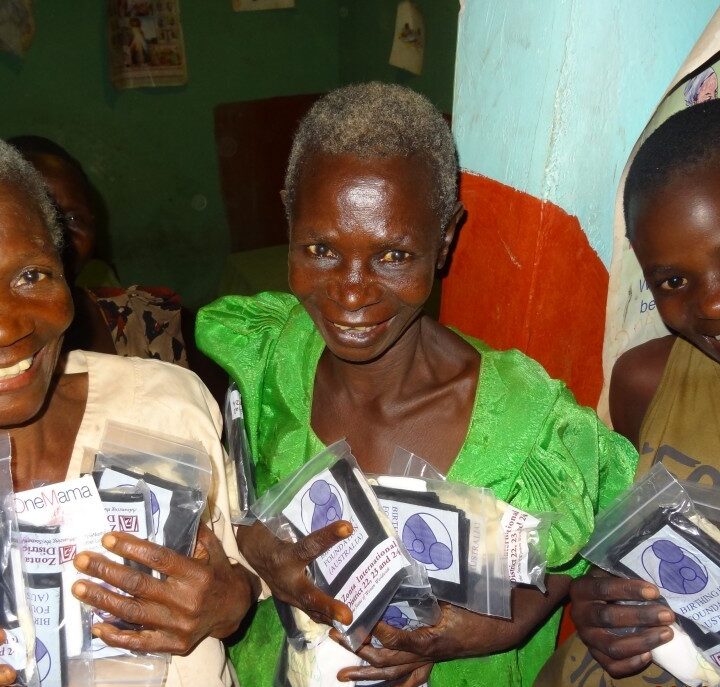
Since 2006, the Birthing Kit Foundation Australia has worked with around 250 field partners to distribute more than 3 million kits around the world.
The majority are assembled by volunteers from community clubs, schools and workplaces in Australia before being shipped overseas. From there, field partners manage distribution, often working through local health workers, hospitals, clinics and community networks.
Each field partner operates in vastly different settings – from remote rural areas where roads are unreliable and infrastructure limited, to densely populated communities where demand far outpaces resources. Many work in places shaped by poverty, instability or geographic isolation.
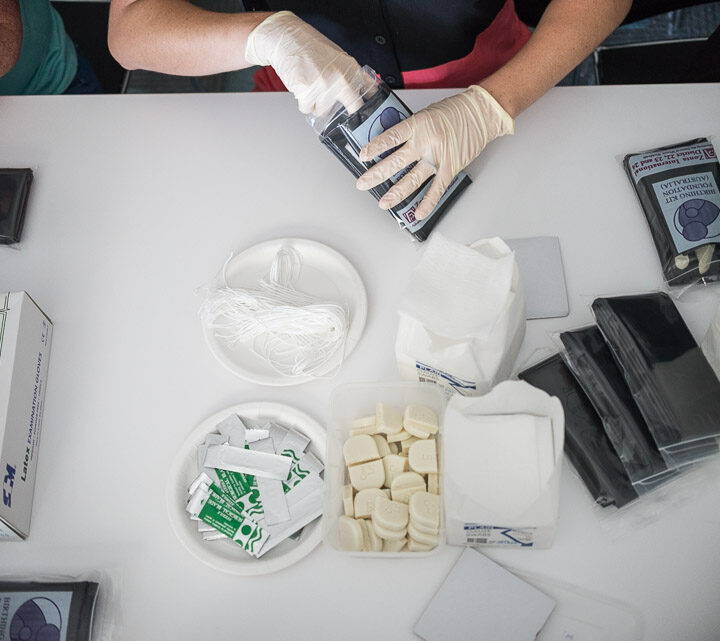
In recent years, there’s been a deliberate shift towards in-country production, with more than 265,000 Clean Birth Kits produced locally to date, including 129,000 last year.
Local production allows materials to be sourced closer to where they’re needed, reduces reliance on international freight and import regulations, and creates opportunities for local allowances, skills development and greater ownership on the ground.
In Ethiopia, for example, this approach has supported not only safer births, but also stronger local capacity and economic participation. In Papua New Guinea, where geography presents a different set of challenges, Australian-assembled kits continue to play a critical role in reaching remote and hard-to-access regions.
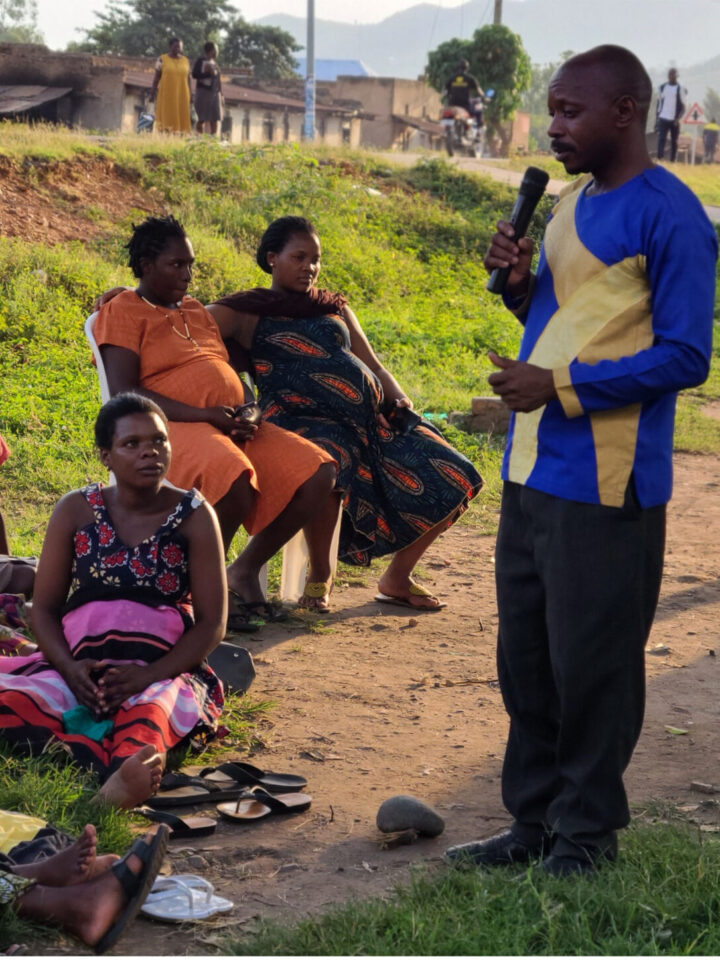
In recent years, there’s been a deliberate shift towards in-country production, with more than 265,000 Clean Birth Kits produced locally to date, including 129,000 last year.
Local production allows materials to be sourced closer to where they’re needed, reduces reliance on international freight and import regulations, and creates opportunities for local allowances, skills development and greater ownership on the ground.
In Ethiopia, for example, this approach has supported not only safer births, but also stronger local capacity and economic participation. In Papua New Guinea, where geography presents a different set of challenges, Australian-assembled kits continue to play a critical role in reaching remote and hard-to-access regions.
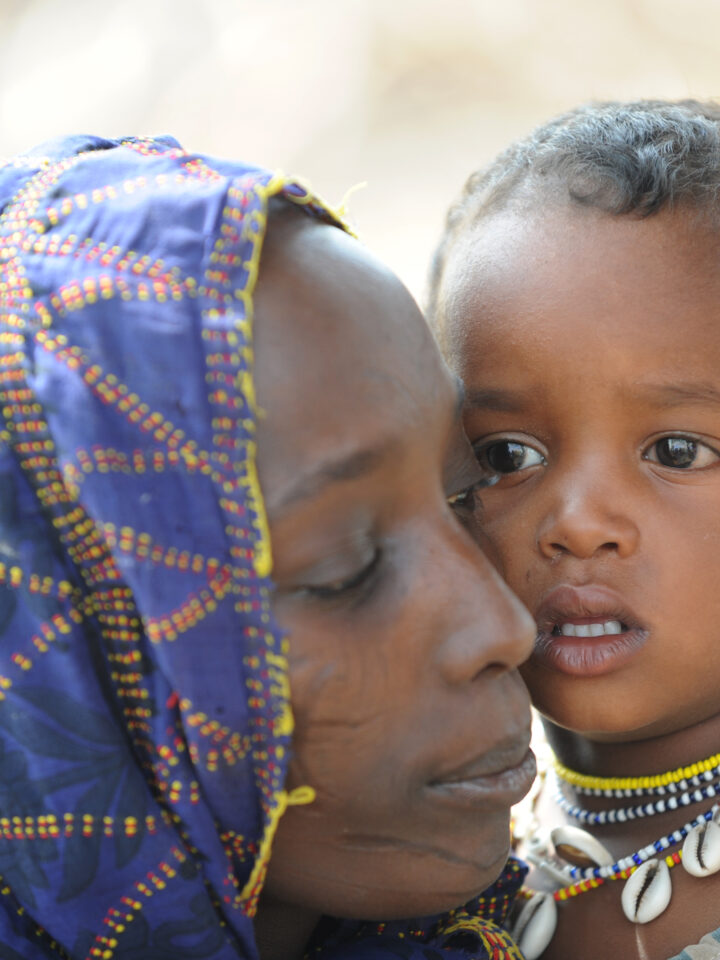
For all its complexity, the core of the story remains remarkably human.
Someone gives their time to pack a Clean Birth Kit. A field partner carries it through the system. A health worker, birth attendant or aid organisation helps place it in the hands of a woman who needs it most.
And somewhere, far from the headlines and far from the institutions many of us would consider vital, a mother holds her baby. Not for the last time, but for the first time.