Even as something as simple as a Clean Birth Kit isn’t always available for many birthing mothers.
That’s the reality behind an education initiative being rolled out between the Birthing Kit Foundation Australia (BKFA) and Mission in Health Care and Development (MHCD) in the Democratic Republic of the Congo.
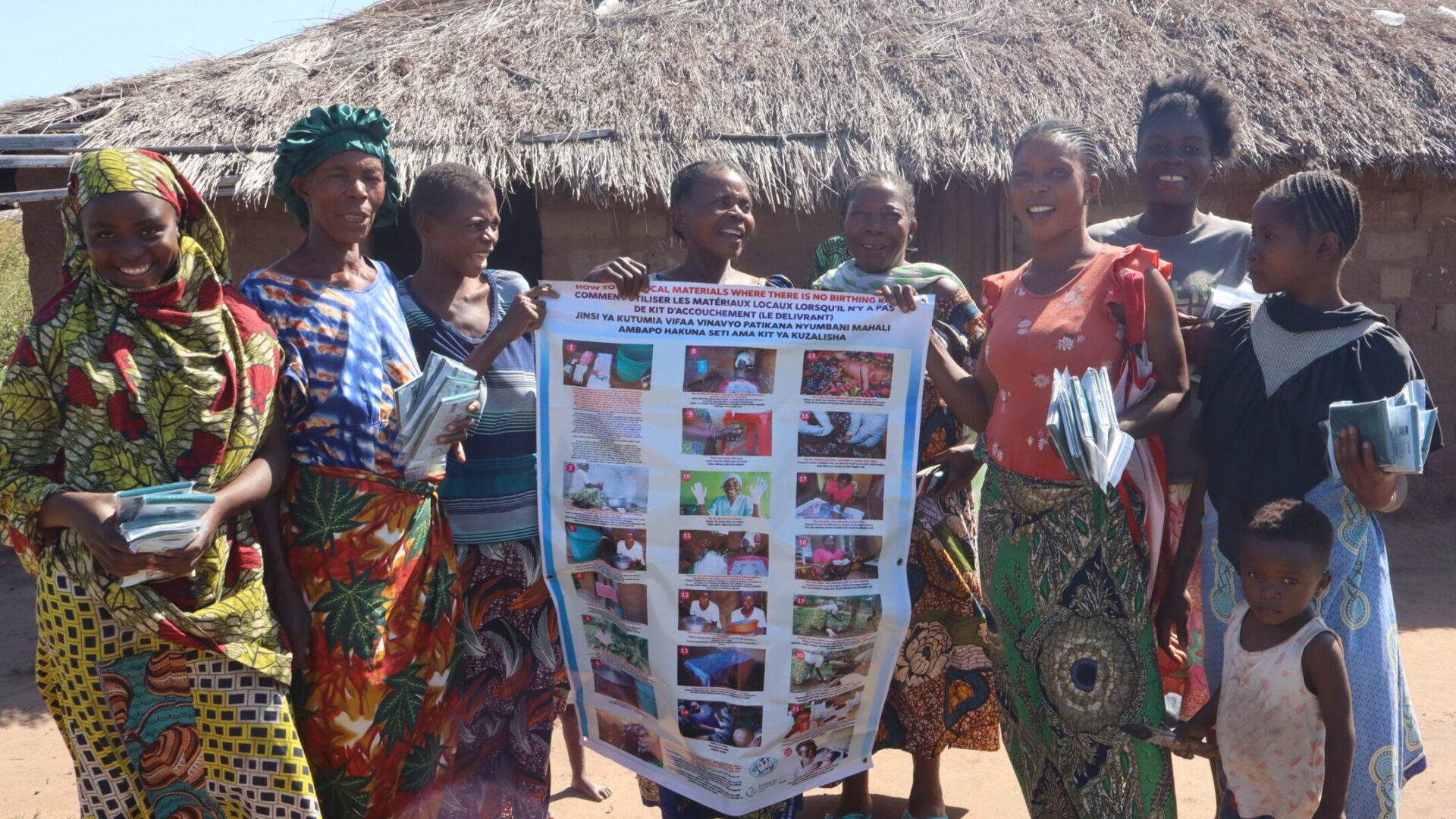
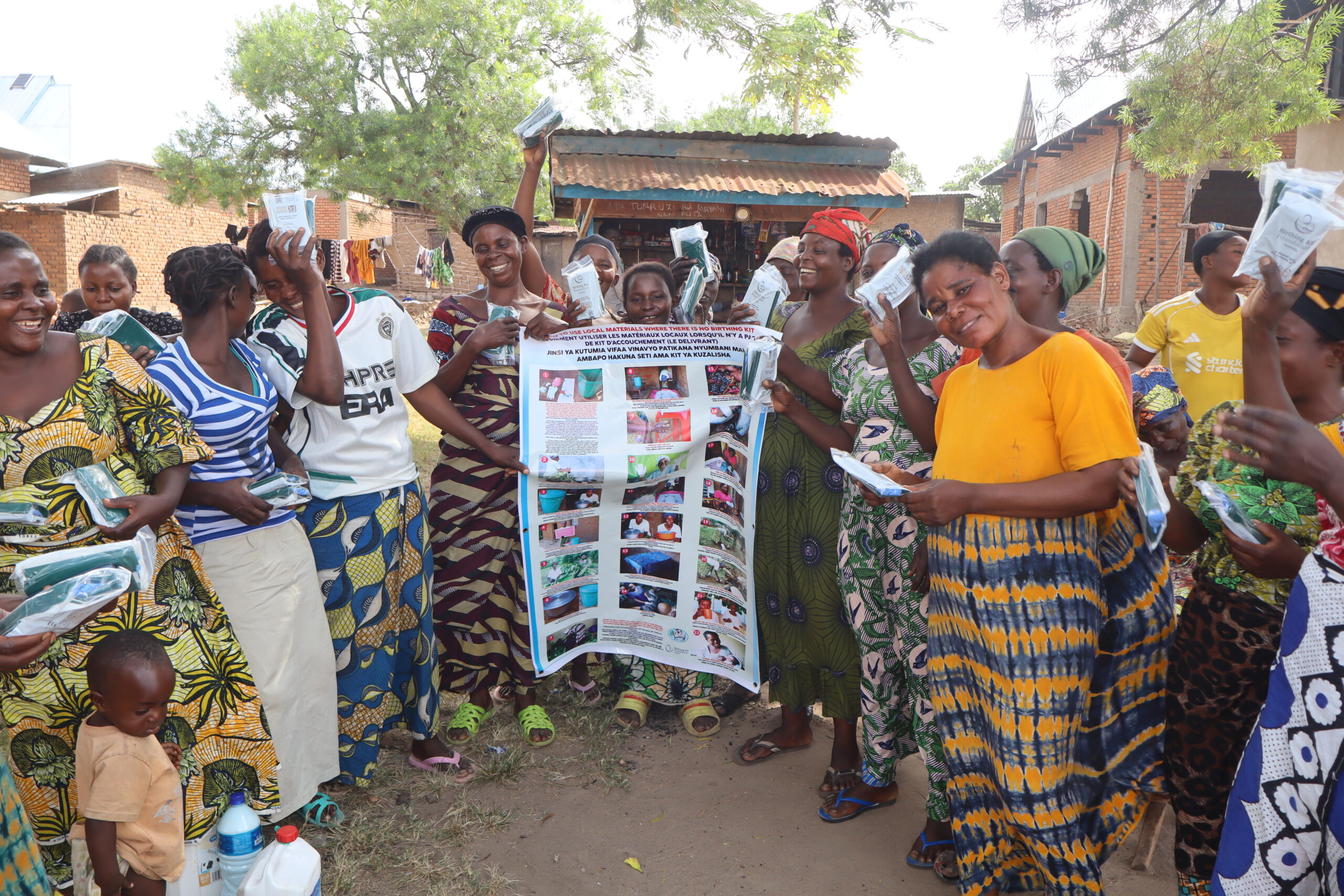
Together, we’ve produced 600 educational banners designed to help traditional midwives and communities understand not only how to correctly use a Clean Birth Kit, but also how to achieve a clean birth using locally available materials when a kit isn’t available.
The banners have been distributed across South Kivu, North Kivu and Tanganyika provinces, reaching communities where access to healthcare remains limited and maternity services are often unavailable.
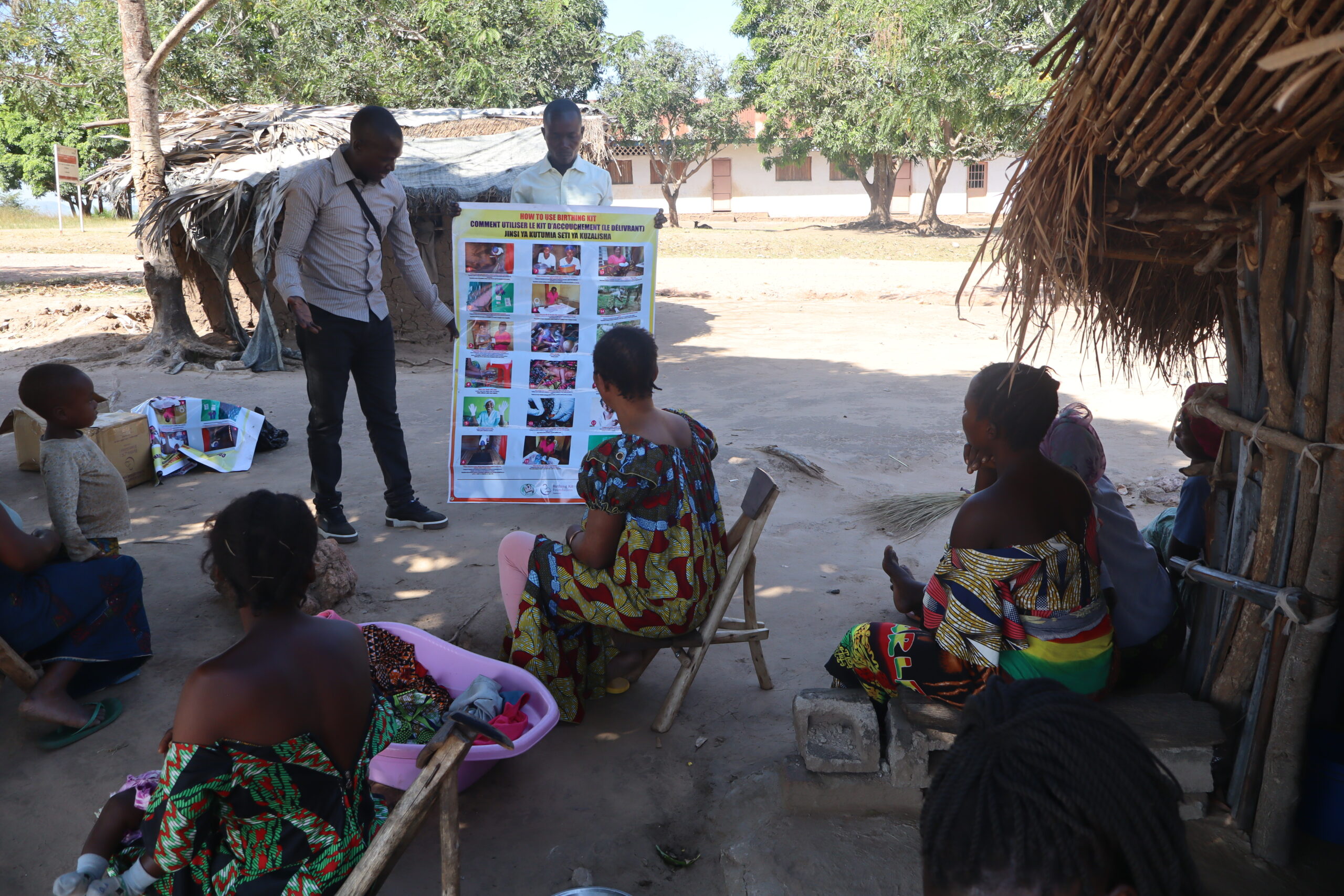
Before each distribution, MHCD staff train traditional midwives to use the banners as practical teaching tools, equipping them to pass that knowledge on to other birth attendants and families.
For MHCD Director Dr Luc Mulimbalimba Masururu, the need became clear while travelling through some of the country’s most isolated villages.
“After distributing the banners, we discovered that this project is vital for the DRC, especially in Tanganyika Province, where several villages lacked maternity wards or health centres.”
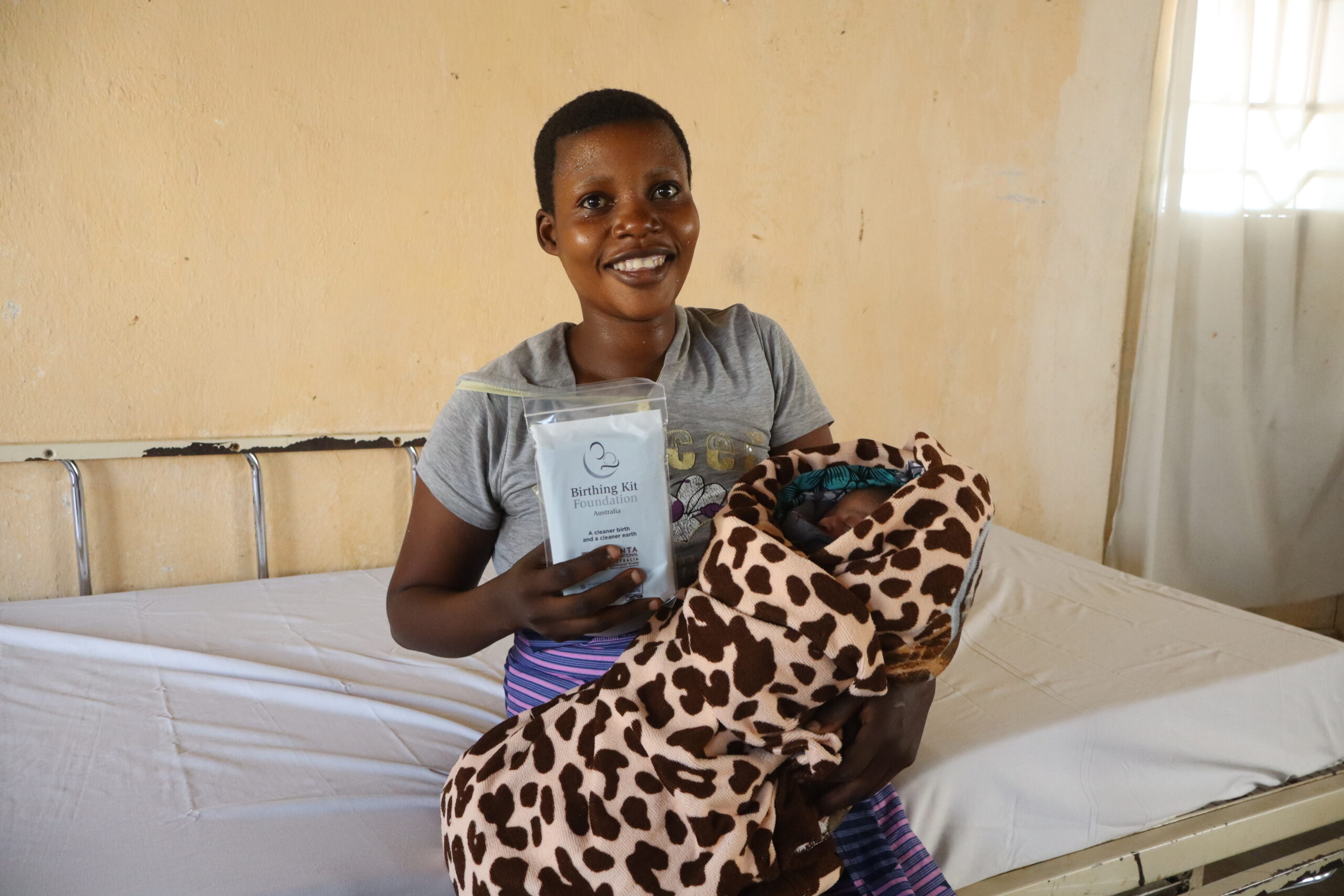
The initiative reflects BKFA’s commitment to strengthening maternal healthcare beyond the birth kit itself.
Alongside Clean Birth Kits, practical education helps women, families and traditional birth attendants understand simple measures that can reduce the risk of infection during childbirth.
Dr Luc says results of the program reinforce the value of combining education with practical support.
“The distribution of banners and the training of traditional midwives have halted the deaths of pregnant women and babies, but we must continue to distribute these banners and train traditional midwives.”